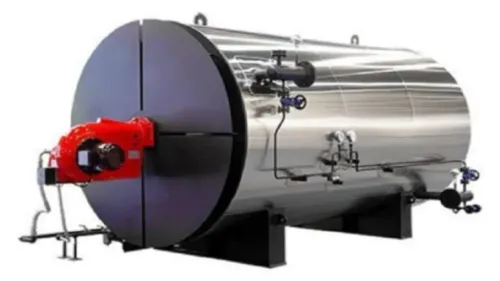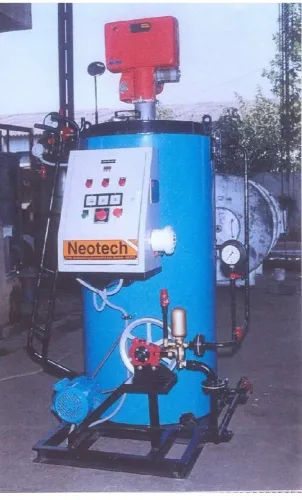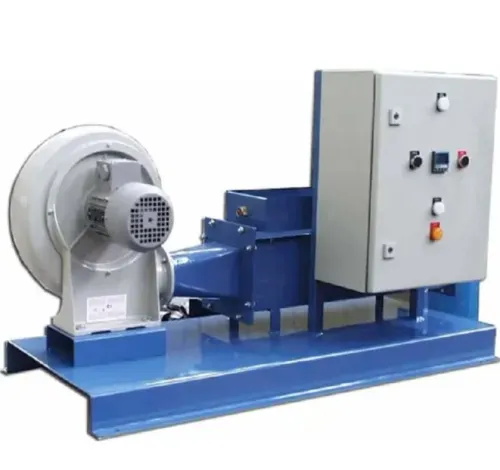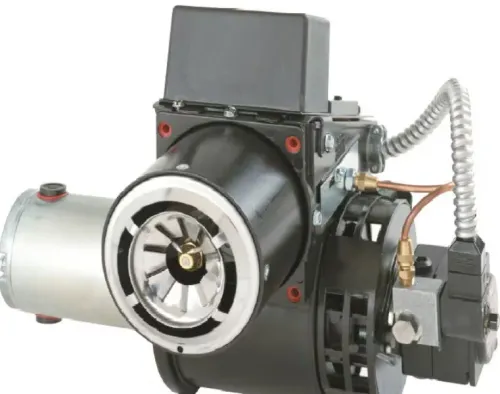
Choosing between Oil Fired Steam Boilers and Gas Fired Steam Boilers is a common challenge for manufacturing facilities planning a new installation or upgrading existing equipment.
The right choice depends on several factors including fuel availability, operating costs, production requirements, and long-term energy strategy.
For industrial businesses in Andheri and surrounding manufacturing zones, understanding these differences can help improve operational efficiency and cost control.
What Are Oil Fired Steam Boilers?
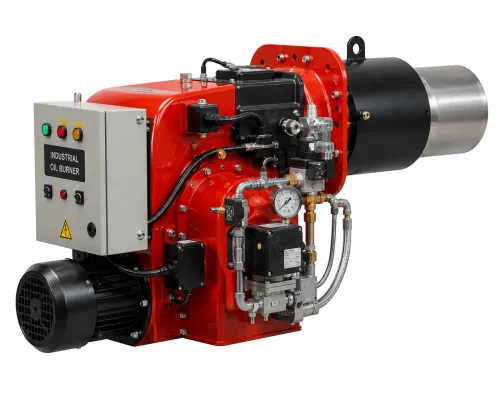
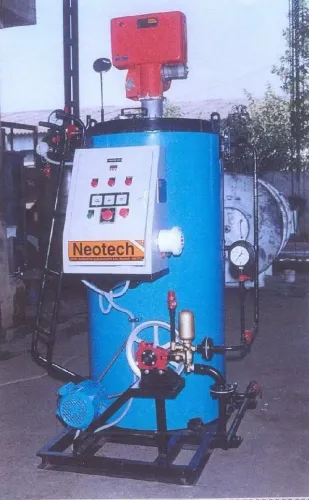
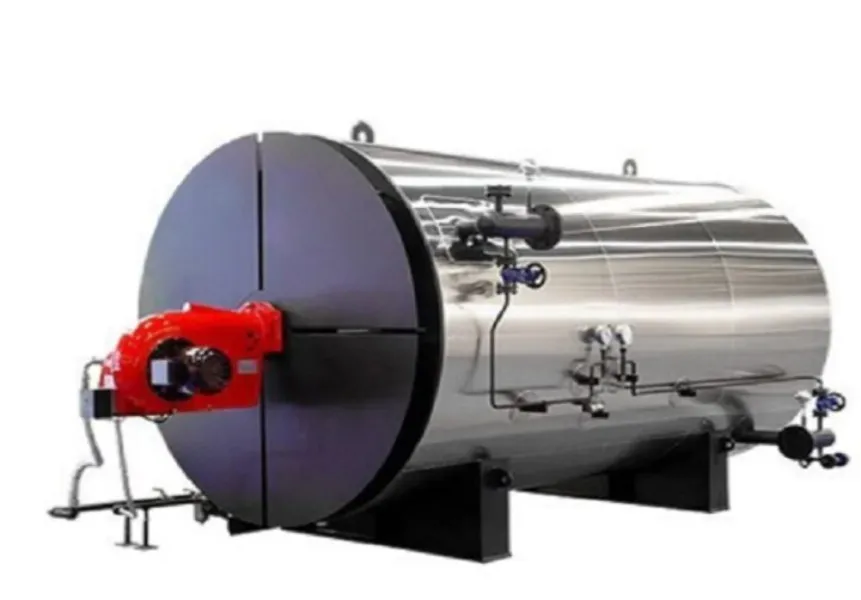
Oil-fired systems generate steam by burning fuels such as furnace oil, light diesel oil, or heavy fuel oil. These boilers are widely used in facilities where gas infrastructure is unavailable or inconsistent.
Advantages include:
- Reliable heat generation
- High thermal output
- Suitable for remote industrial locations
- Consistent operation under varying loads
Potential considerations include:
- Fuel storage requirements
- Regular burner maintenance
- Fuel price fluctuations
What Are Gas Fired Steam Boilers?
Gas-fired systems use natural gas, LPG, or PNG as fuel sources. They have become increasingly popular due to cleaner combustion and lower emissions.
Benefits include:
- Cleaner operation
- Reduced emissions
- Lower maintenance requirements
- Efficient combustion performance
- Faster startup times
However, facilities must ensure reliable gas supply availability before investing in these systems.
Comparing Operating Costs
Cost evaluation should include more than fuel pricing.
Important factors include:
- Fuel consumption
- Maintenance expenses
- Downtime risks
- Compliance costs
- Equipment lifespan
In many industrial settings, gas-fired systems can offer lower maintenance costs due to cleaner combustion. However, oil-fired boilers may remain more practical where gas connectivity is limited.
Industry-Specific Considerations
Different industries have different priorities.
Food processing facilities often prioritize clean combustion.
Chemical plants may focus on heat intensity and operational reliability.
Textile manufacturers typically evaluate steam demand consistency and production schedules.
Questions to Ask Before Choosing
- Is gas infrastructure available?
- What are local fuel price trends?
- How critical is emission control?
- What level of maintenance support is available?
- Will production capacity expand in the next five years?
Many industrial consultants recommend conducting a total cost of ownership analysis before finalizing a decision.
Experienced manufacturers such as Neotech Energy Systems Pvt. Ltd often work with customers across industries to evaluate operational requirements rather than recommending a one-size-fits-all solution.
Ultimately, the best boiler is not necessarily the cheapest to purchase. It is the one that delivers reliable steam generation, manageable operating costs, and long-term value for the specific application.
Keywords