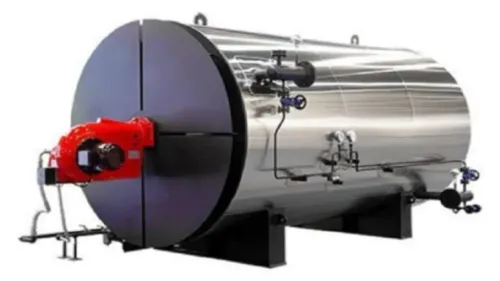
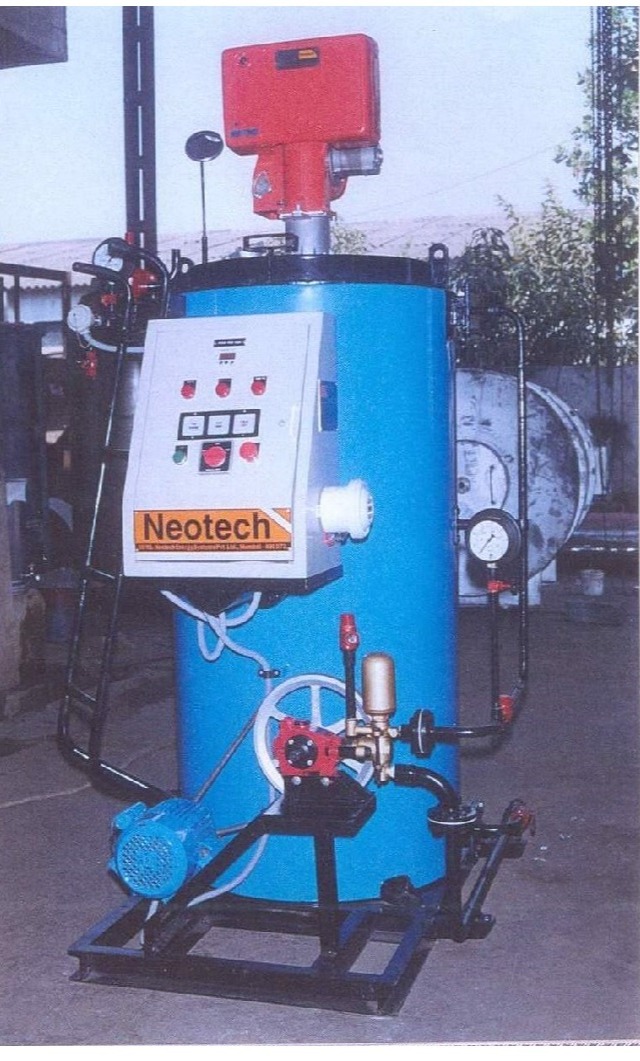
An Industrial Steam Boiler plays an important role in manufacturing facilities where processes depend on a reliable and controlled supply of steam. From food processing and pharmaceuticals to chemicals, textiles, packaging, engineering and other process industries, steam may be required for heating, sterilisation, washing, drying and production operations.
For businesses in Mumbai and industrial regions across Maharashtra, selecting a boiler is not simply about choosing a particular steam capacity. Fuel availability, operating pressure, process load, space, efficiency and expected daily running hours can all influence the suitability of the system.
Where Industrial Steam Is Commonly Used
Industrial steam can serve several functions within the same facility. Typical applications include:
- Process vessel and reactor heating
- Equipment and container sterilisation
- Laundry and washing operations
- Drying and moisture removal
- Food cooking and processing
- Chemical process heating
- Maintaining required production temperatures
The exact steam requirement depends on the nature and scale of the operation. A facility with a steady production cycle may have different boiler requirements from a plant where steam demand rises and falls throughout the day.
Steam Capacity Should Match Actual Demand
Oversizing a boiler may appear to provide additional capacity for future requirements, but it can also result in inefficient operation when the system frequently runs at low load. An undersized boiler, on the other hand, may struggle to maintain the steam demand required by production equipment.
Before selecting an Industrial Steam Boiler, businesses should assess the normal operating load, peak steam requirement and possibility of future expansion.
Steam pressure also matters. Different industrial processes may require different pressure levels, so the boiler should be selected according to the actual process conditions rather than capacity alone.
Fuel Selection Affects Operating Economics
Fuel is one of the major recurring costs associated with steam generation. Depending on the boiler design and plant infrastructure, industries may consider oil, gas, solid fuel or other suitable energy sources.
The practical choice can depend on:
- Fuel availability
- Storage requirements
- Fuel handling arrangements
- Daily operating hours
- Existing utility infrastructure
- Maintenance requirements
For industrial facilities in Mumbai and other parts of Maharashtra, evaluating long-term fuel availability is particularly important when planning a new boiler installation or replacing an existing unit.
Efficiency Depends on More Than the Boiler
Boiler performance is influenced by the complete steam system. Poor insulation, steam leakage, incorrect combustion settings and inefficient condensate management can increase energy consumption even when the boiler itself is properly selected.
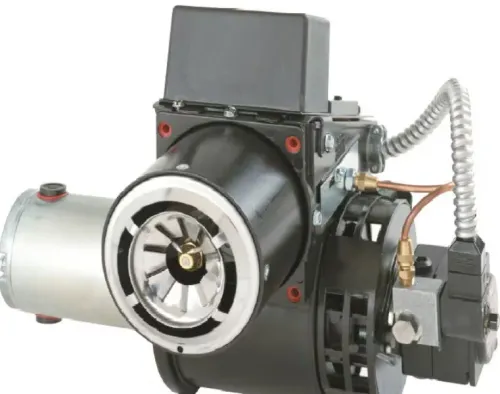
Regular attention to burner performance, feed water quality, pressure settings, blowdown practices and heat losses can support more consistent operation.
Plan Installation Around the Production Environment
Space availability, ventilation, fuel storage, water supply, chimney arrangements and access for maintenance should be reviewed before installation. Planning these factors early can prevent operational difficulties later.
Neotech Energy Systems Pvt. Ltd. works with industrial steam and heating requirements where boiler selection needs to be aligned with process conditions, available utilities and plant configuration.
For manufacturers evaluating an Industrial Steam Boiler in Mumbai, a detailed assessment of steam demand, pressure, fuel, operating pattern and installation conditions provides a stronger foundation for choosing a system that can support everyday production requirements.